

Practical strategies to reduce cognitive load and improve memory.
Some of these strategies are thanks to the Dragonfly training I went on earlier in the year and have been adapted to fit RPE as that is my area of expertise, however I’m sure these can be adapted to all subjects in the curriculum at all Key Stages too. Also a special thanks to A. Giblin for supporting these ideas and trialling them in his lessons too.
Cognitive Load theory suggests that because short term memory is limited, learning experiences should be designed to reduce working memory load in order to promote schema acquisition. If we look at the statistics around ‘how much does the average student remember tomorrow?’
- Student demonstration 89%
- Teacher Demo with questions 49%
- Teacher Demo 32%
- Teacher explains it with questions 19%
- Teacher explains it 9%
- Read it 4%
We can see that strategies should get students actively engaging with the material that we wish them to learn. How much demand a task puts onto a student’s cognitive load also depends on the size of the task and the difficulty of the task. This is why when constructing lesson materials such as PowerPoints, the ‘magic number’ is 7, not just because of Harry Potter, but because having more than 7 pieces of information, including images, on one slide is an overload on the working memory. The following strategies can reduce the cognitive load of a task and increase memory: dual coding, interleaving, spaced learning and retrieval practices. This blog will give specific techniques that fit into these categories, but a lot of these tasks also fall into more than one category.
Dual coding
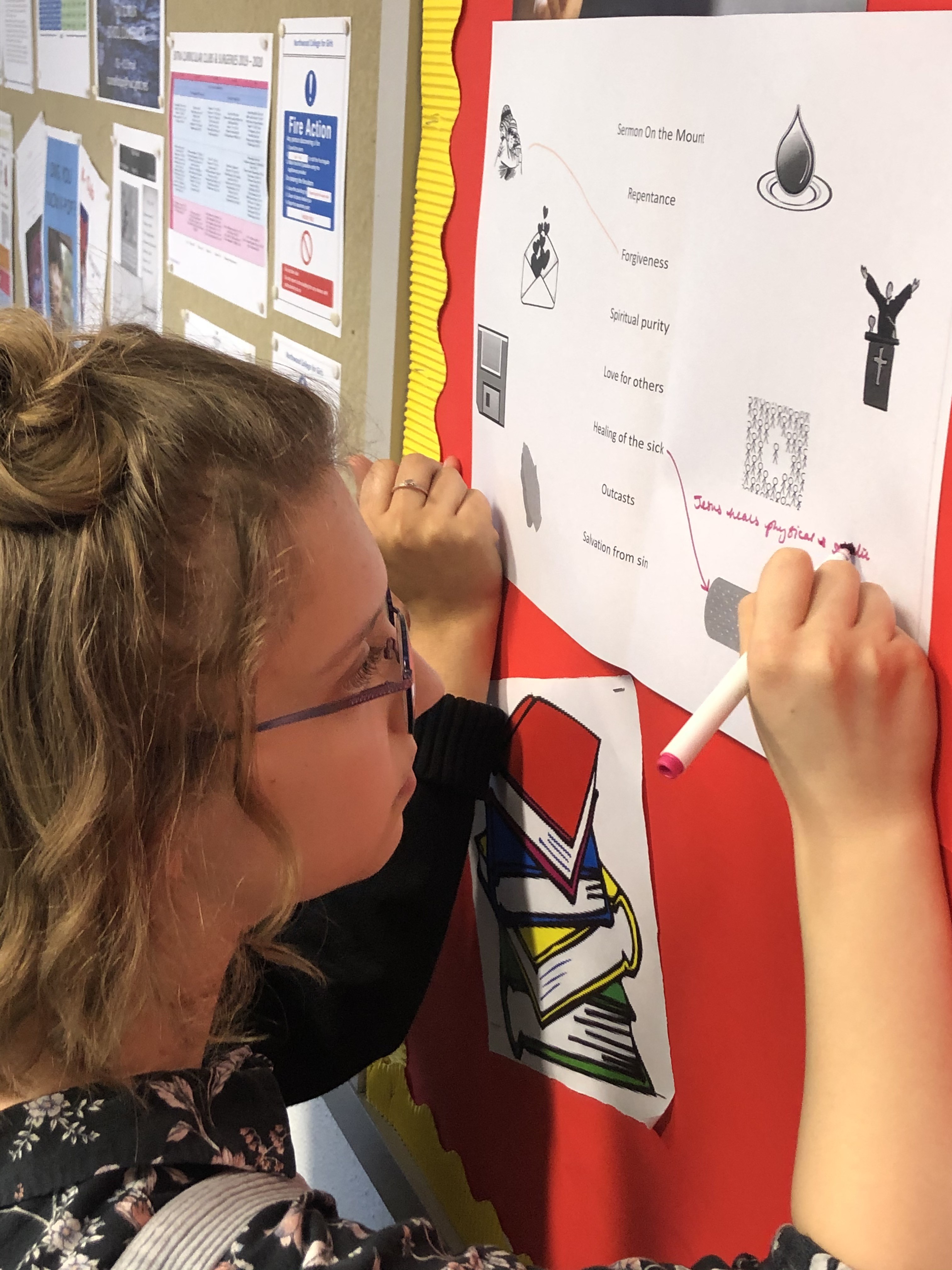
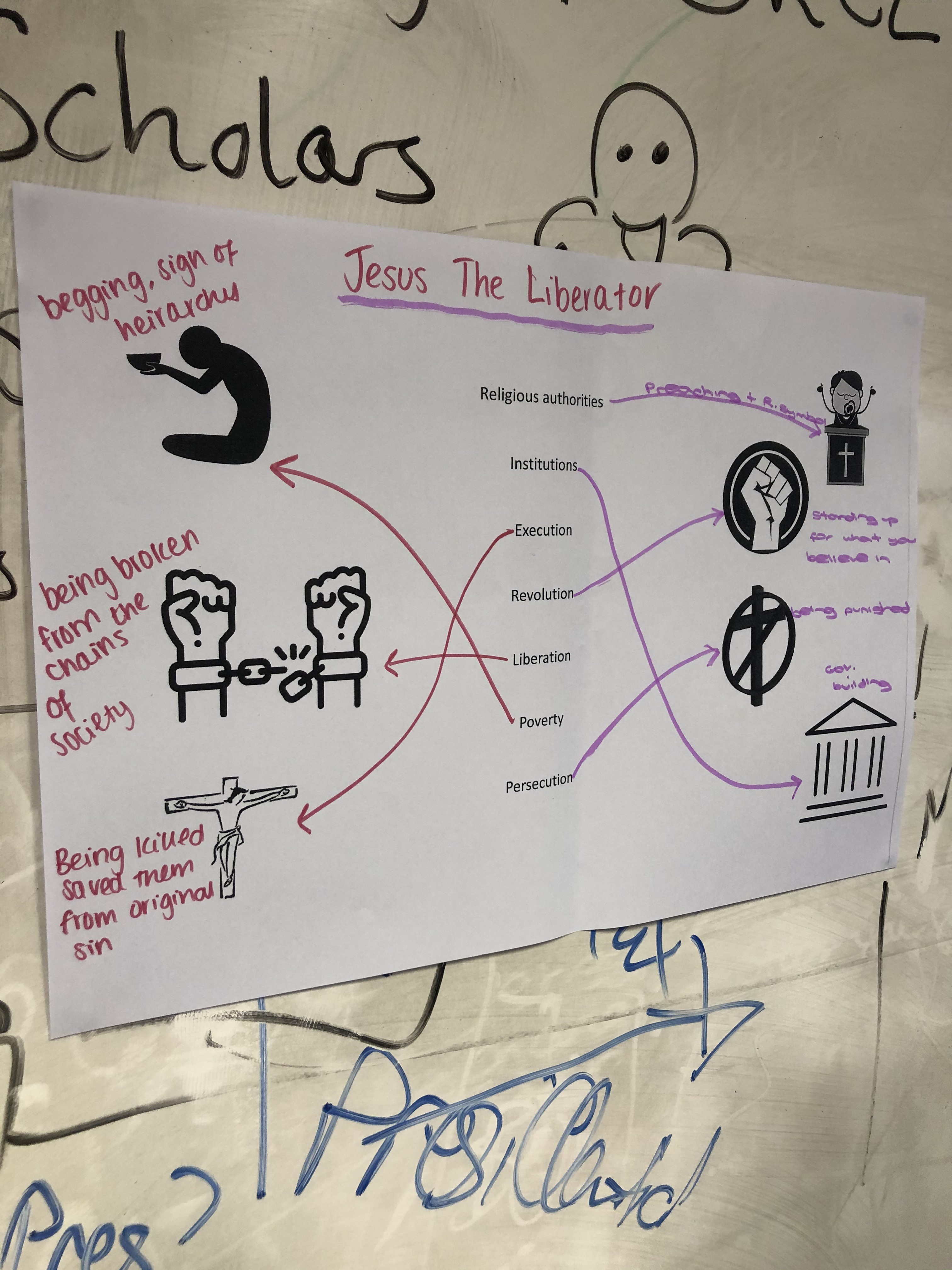
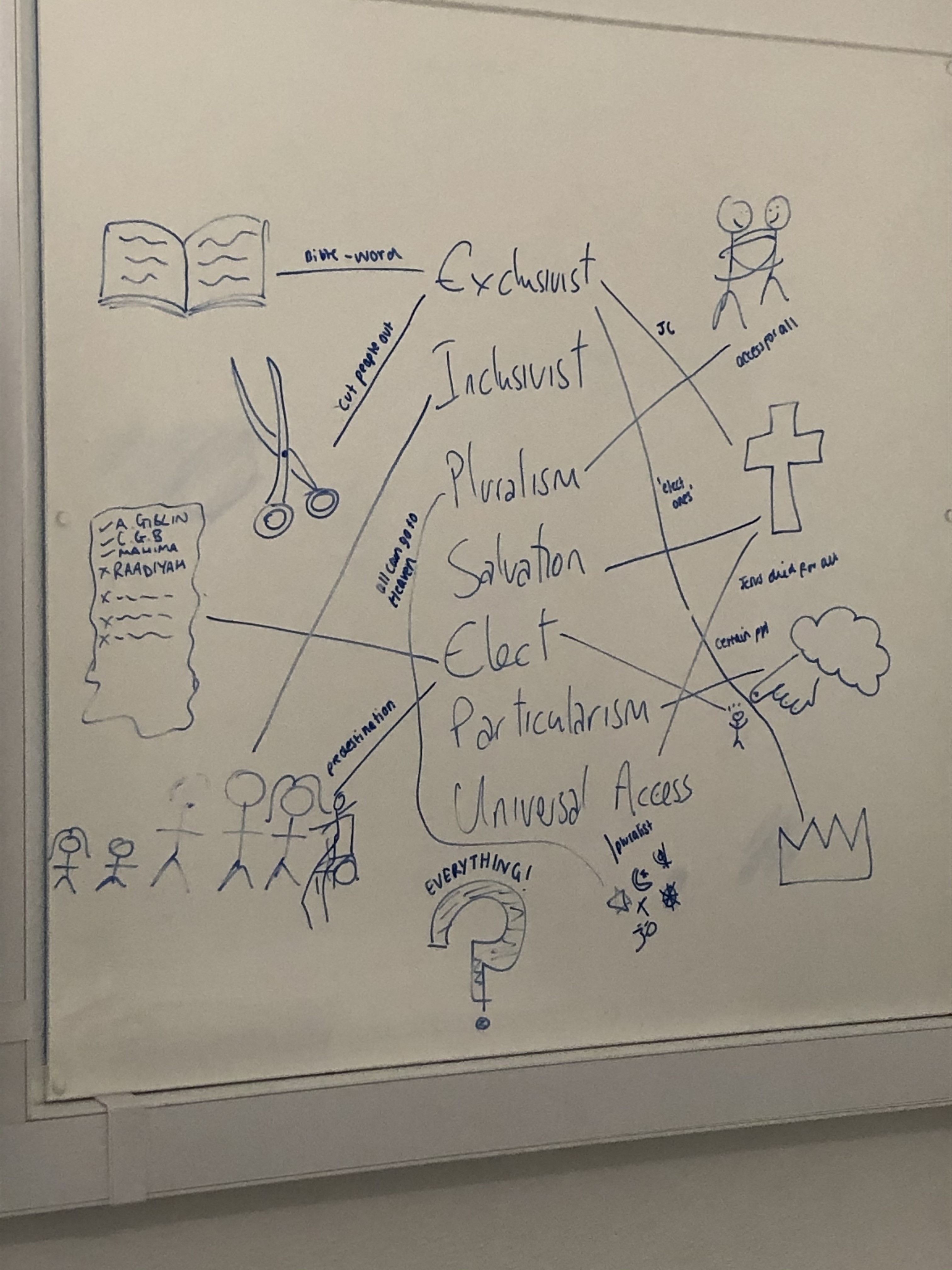
This is the process of combining visual material with written materials to enhance memory. One example of how this can be used is ‘The Concept Map’. For this strategy, students are presented with key words and images (or graphs) that provide an overview of a topic on a sheet of paper. Students are asked to link a word to an image or graph with a pencil line and on that line they must explain the logic of the link. This gets students engaging with key concepts and justifying their understanding. If you want to develop this further, each pair of students then present their links to the class and you can even attach the sheets to the classroom wall for revision purposes.
Interleaving
This is a learning strategy that involves switching between topics and ideas which have been shown to improve the long-term learning relative to blocking study of the same topic or idea. One example of how this can be used is ‘Buying and Selling’. This has students engage with two different topics of the same subject, this example is from RPE (subject) and was a revision task based off of the two questions which had the lowest marks in the recent mock: 1. Ashura and 2. Homosexuality (topics). Once you have identified which two topics you will be examining, divide the class in half and each half into pairs, pair A and pair B. Pair A: Read through the text on ‘Ashura’ and turn the key ideas and examples into pictures (dual coding too). Pair B: Watch the video that explains the different attitudes to Homosexuality. With your partner, list the 3 different Christian views. Then describe the Muslim attitudes.
Once they have completed this activity, one student from pair A swaps with a student from pair B. The ‘home partner’ explains to the ‘visitor’ the task and the answer (very similar to speed dating). Then the original pair re-forms. The visitor explains the task and the answer to the original home student. Alternatively, you can have the new A and B pair teach each other rather than asking them to re-form their original pair. Furthermore, to ensure that there is maximum engagement and ownership over the task, you can ‘increase the stakes’ by setting an exam question on both topics at the end to ensure that they all produce quality work.
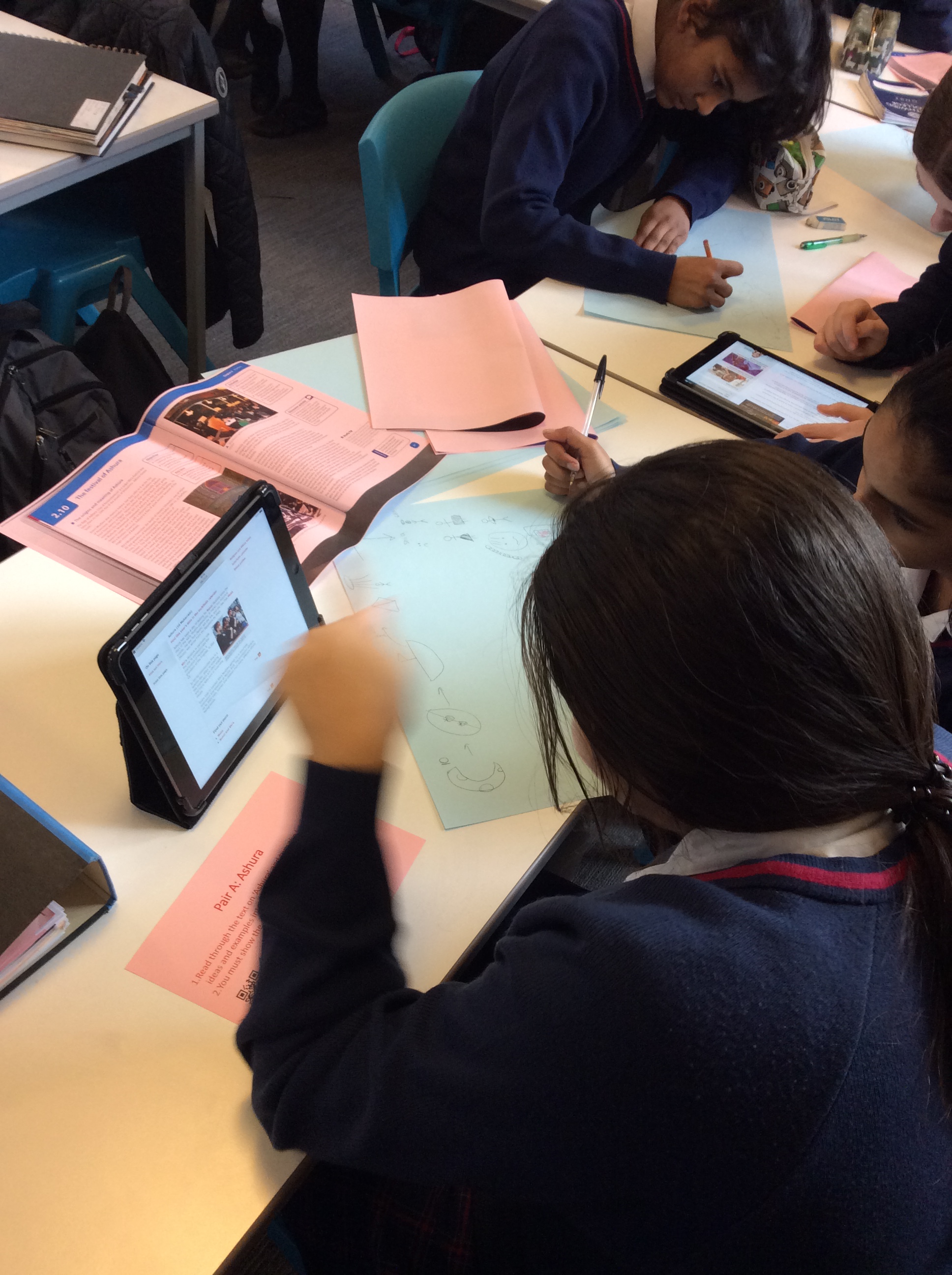
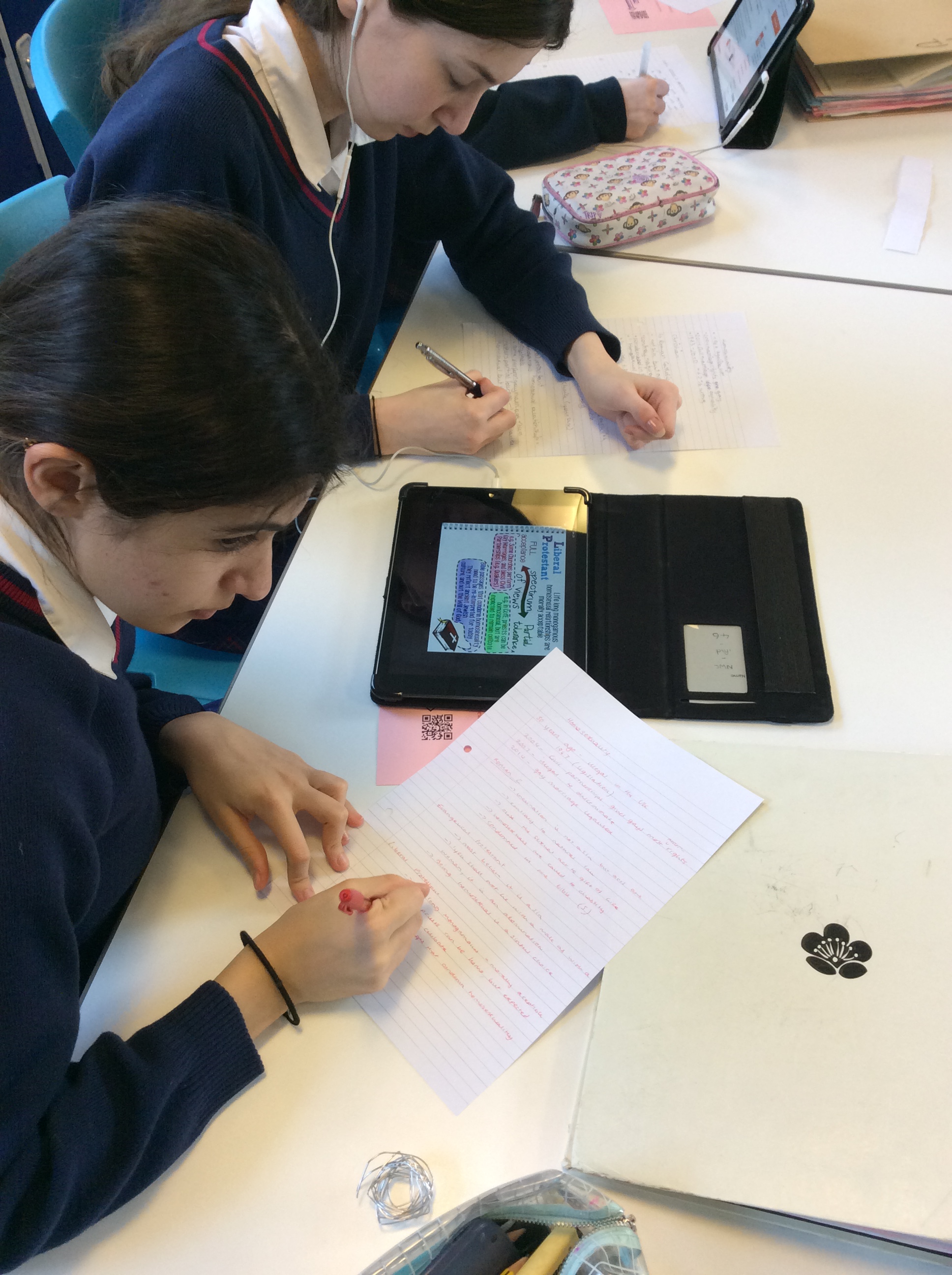
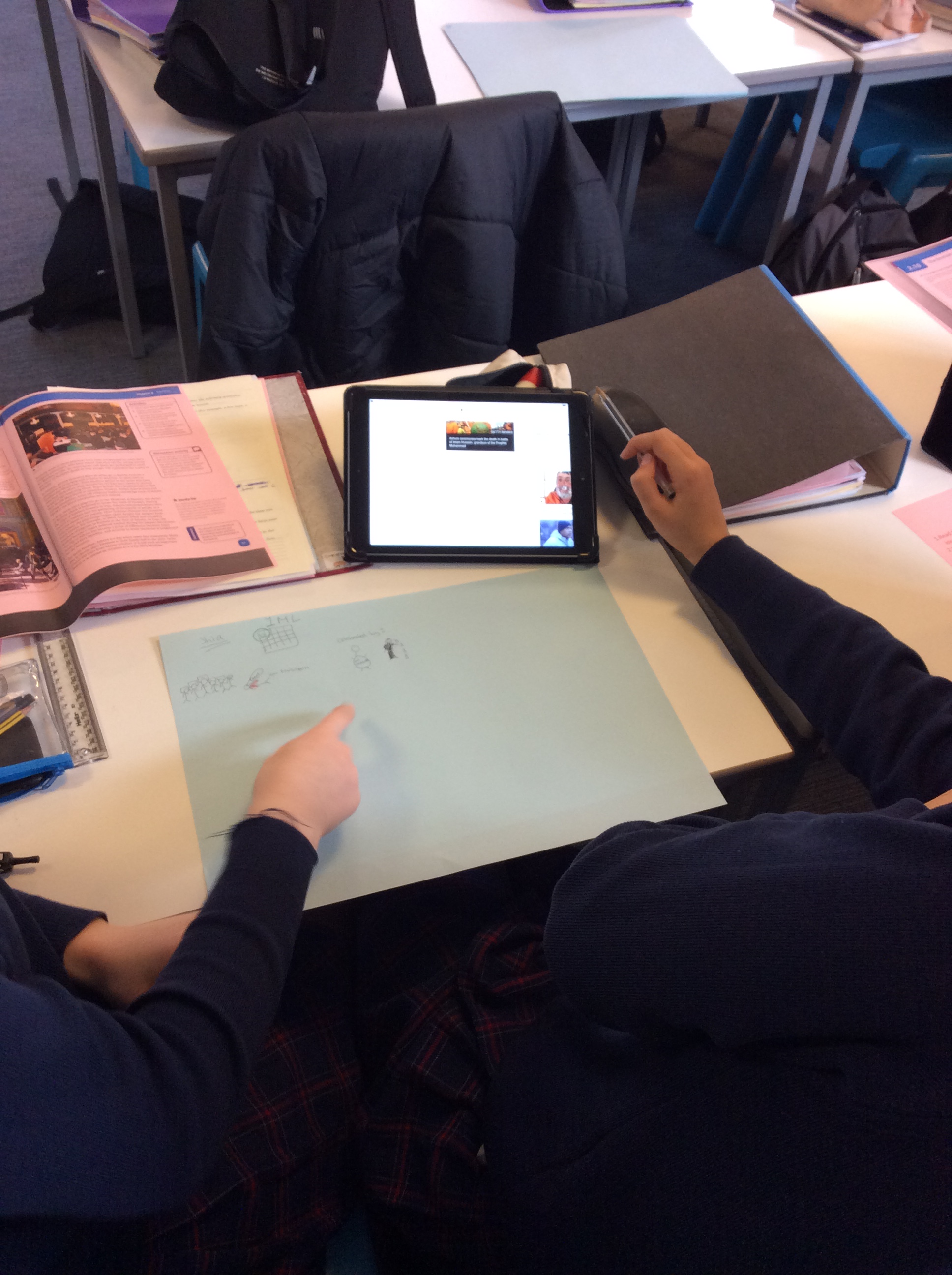
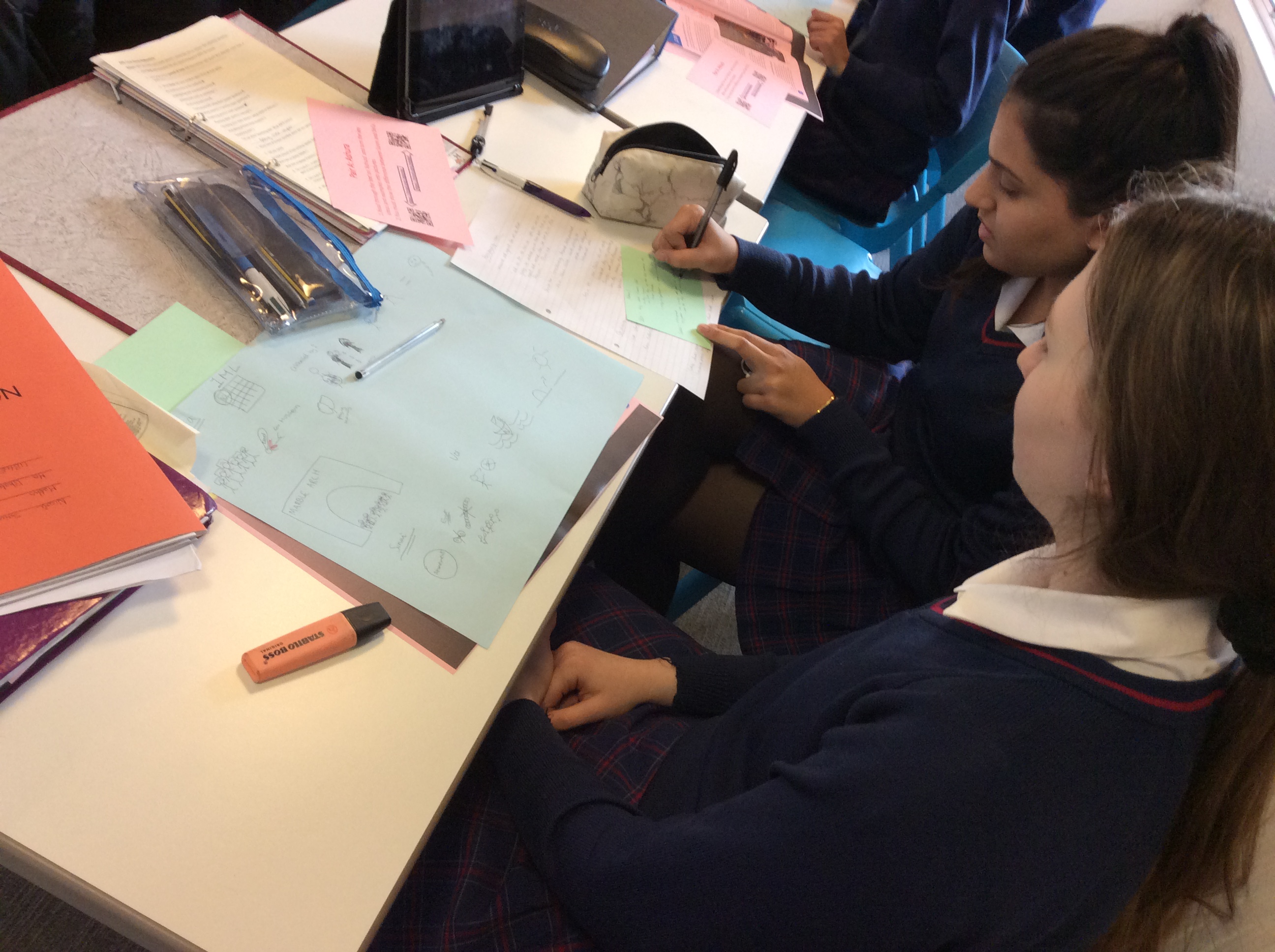
Student becomes the teacher; therefore, they should remember 89% of the information…
Here is an example of some of the data showing how students achieved in the initial mock and then the next attempt at exam practice on this topic.
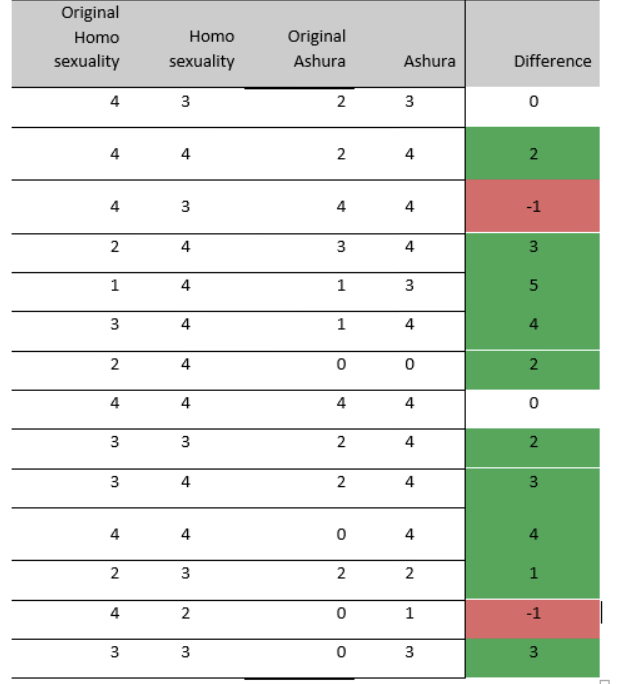
Nearly all the outcomes are positive. The two who which are negative both confused Catholic and Protestant views, so limited their marks. This also highlights a common mistake of confusing denominations, which in turn opens up an opportunity for whole class feedback to address this misconception.
Spaced Learning
This follows the principle that information is more easily learnt when it is split into short time frames and repeated multiple times, with time passing between repetitions. It is the opposite to cramming. You can also see evidence for why this works on a previous blog ‘Forgetting’. For this, one example is Tarsia. This is a way of getting students to engage with question and answers, these are essentially a set of question and answers, however the answers are on adjoining shapes which will then construct a much larger shape. Both these examples show the form of a pyramid. These are often used in Maths but can be used in any subject and can also focus on one unit or many. Once you have a bank of these, you can get them out at any point and they don’t have to be the subject you are currently studying.
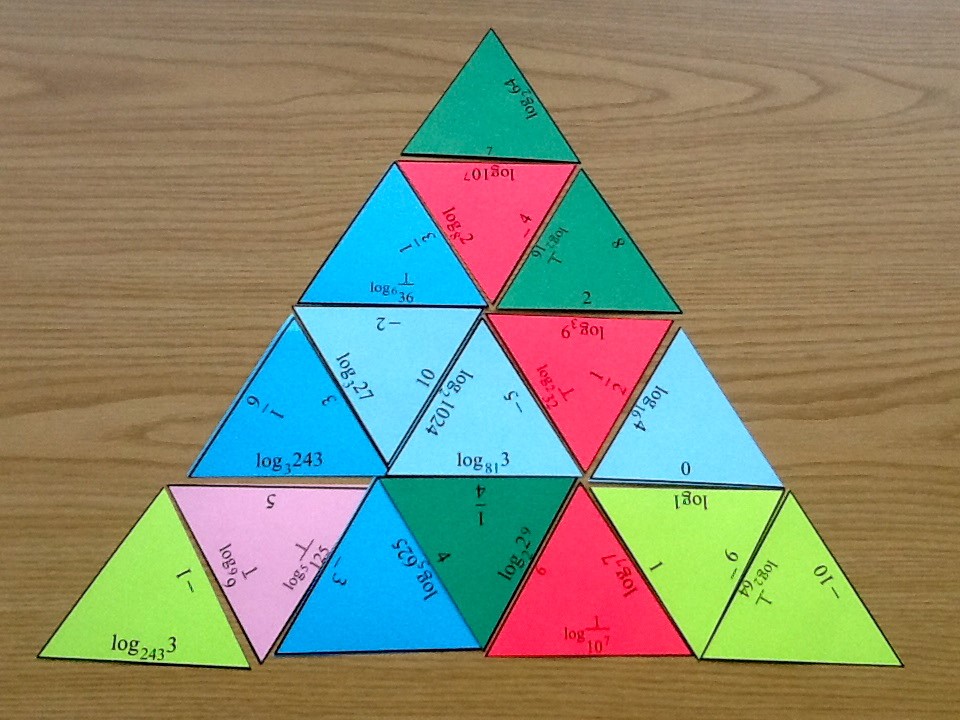
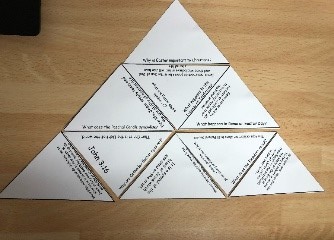
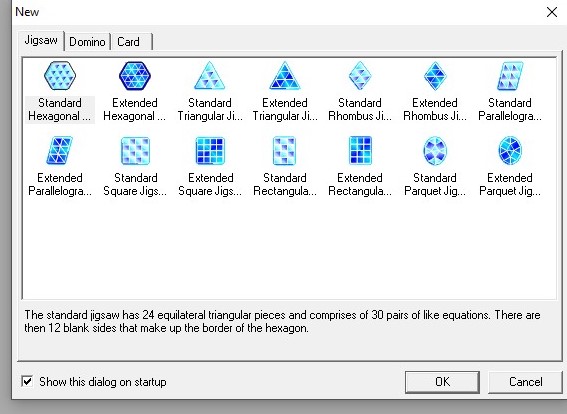
You can download the software to automatically generate the shape at: http://www.mmlsoft.com/index.php/products/tarsia Once installed you can choose multiple designs. This allows you to input questions and answers which will then be made into the desired shape. You could even ask students to create their own question and answers which you then input. A time saver and gets students revising the content more than once.
Retrieval Practices
This is the principle of deliberately recalling previously visited learning to enhance memory. Recovering knowledge from long term memory where it was previously stored. The more difficult the retrieval practice, the better it is for long-term learning. Here are a couple of examples as some require more forward planning and some can be done on the ‘fly’.
Quizzing or Coloured Index Cards
Quizzing helps students recall information from mind. Paper-and-pencil and computer /web-based quizzes can be used. Note that quizzes may require you to write retrieval questions in advance, but to save time, this can form part of a task that you set for students as revision or you can use online platforms which already have banks such as Google Quizziz or Kahoot.
Alternatively, each student could have their own set of coloured index/flash cards, with the letters A, B, C, and D on them (or true/false, or 1, 2, 3, etc.). This way, you can ask a question (on the fly) and students can show you the appropriate card to identify their response. It’s an easy alternative to using quizzes, and you can provide immediate feedback.
Bell Work or Exit Tickets
This can take the form of giving small slips of paper at the very beginning of class as students are entering the classroom (“bell work”) or before students leave the classroom (“exit tickets”) that include questions about content learned in class. This requires you to plan in advance your questions for the activity, but you could even make this simpler by writing one command for all slips on the board, e.g. “Write down everything you remember from the previous class”. This engages students in retrieval practice, while conserving classroom time so you can focus on teaching.
All of these strategies and activities are already well embedded into out teaching and learning at Northwood College for Girls. But as we are starting to think about specific revision techniques and strategies for the summer exams, which are fast approaching, I thought this would serve as a reminder of ideas. As well as a reminder that what we are already doing, is already embedding these principles.
 This Teacher Blogs